

Notifications
Clear all
Joining the Renewable Heating Hub forums is completely free and only takes a minute. By registering you’ll be able to ask questions, join discussions, follow topics you’re interested in, bookmark useful threads and receive notifications when someone replies. Non-registered members also do not have access to our AI features. When choosing your username, please note that it cannot be changed later, so we recommend avoiding brand or product names. Before registering, please take a moment to read the Forum Rules & Terms of Use so we can keep the community helpful, respectful and informative for everyone. Thanks for joining!

Topic starter
11/04/2024 7:06 am
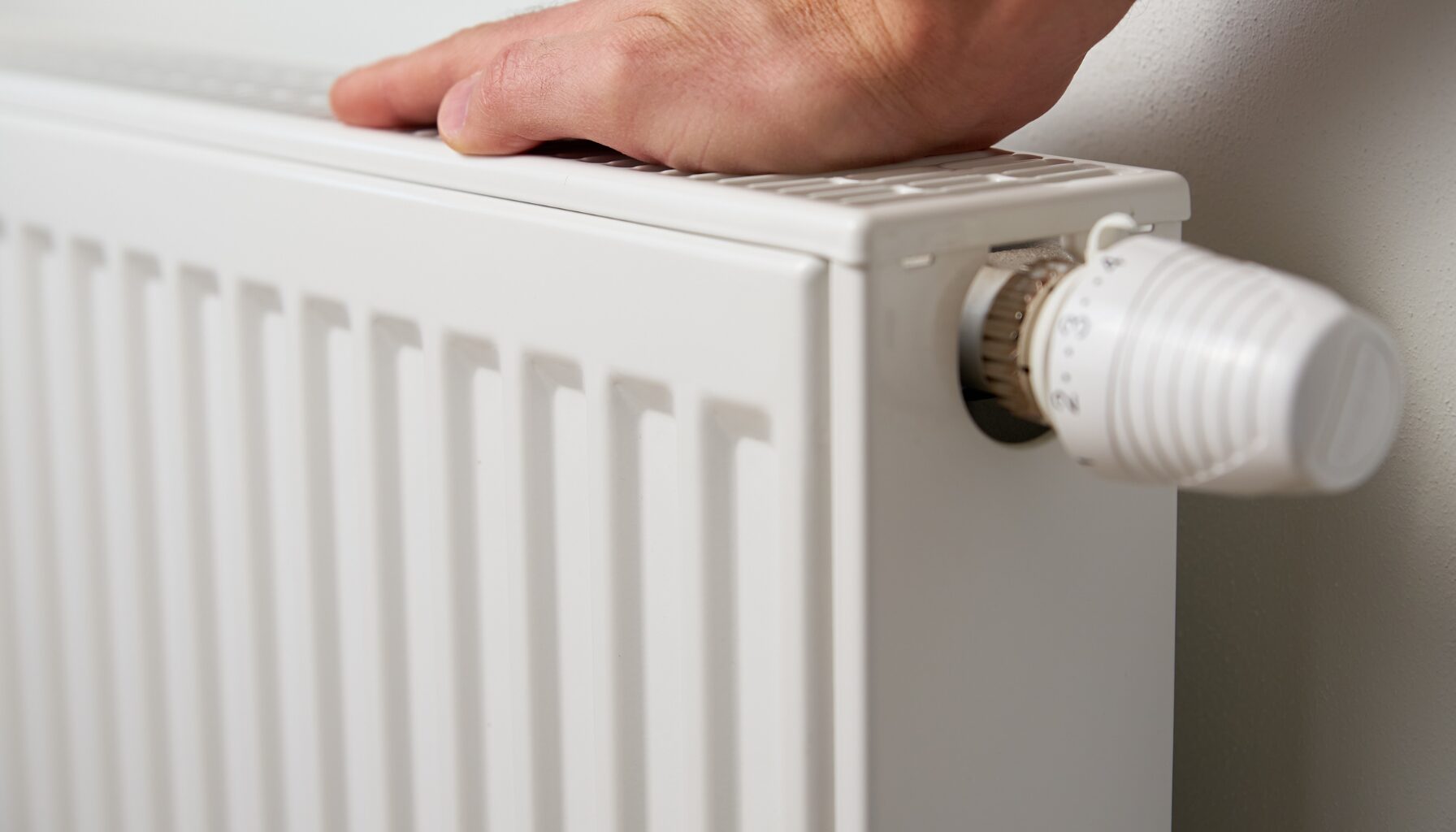
Achieving the highest efficiency from your heat pump requires attention to your radiators. When set correctly, the pump will run more smoothly, with less noise and reduced 'short cycling,' leading to greater comfort due to more even temperature control in your rooms.
I would also recommend setting your air source heat pump to 'Weather Compensation' and adjusting your 'Leaving Water Temperature' (LWT) to a moderate setting, starting with 35 degrees Celsius for the central area of the 'slope.' More guidance on setting 'LWT' can be found elsewhere; this article focuses exclusively on the 'Lockshield Valve' setting.
The lockshield valve acts as a 'flow regulator,' controlling the amount of heat supplied from the flow pipe into the radiator. It should not be confused with the Thermostatic Radiator Valve (TRV) fitted at the other end of the radiator. The TRV serves as a temperature limiter, reducing the flow of heat only in extreme circumstances, such as solar gain heating up a room. Otherwise, the TRV should not restrict the flow.


To begin setting up the valves, ensure all valves (both lockshield and TRVs) are fully open. Ideally, this task should be performed in colder weather to simplify the procedure. At this point, the heat pump can be turned on. Then, feel each radiator to determine which is warming up the most—make a note if necessary.
The radiators, especially if newly installed, should have been sized according to room size and calculated heat losses, along with the desired room temperature. Starting with the radiator that warmed up the most, gradually close the lockshield valves from room to room. Initially, you might close the valve by two full turns, with final adjustments usually being half a turn or less from the fully closed position. Continue adjusting each lockshield on the next warmest radiator.
Allow time for the radiator temperatures to settle after each round of adjustment. If some radiators remain warmer than others, they should be the first to be closed further. This process, requiring multiple steps of adjustment, aims to restrict flow minimally until each radiator sufficiently heats the room, allowing the rest of the heat to flow to other radiators. For instance, we prefer a warm bathroom and keep the lockshield valve fully open on this radiator, which is the first fed from the secondary pump circuit, keeping the room very cosy.
Once the radiators provide proportionate amounts of heat for the rooms, allow the system to settle for about a day. Then, you might find some lockshield valves need a bit more tweaking. Proper adjustment takes time; although installers may make initial adjustments, fine-tuning to your comfort level is crucial.
Consider using thermometers in rooms and a temperature probe on radiators to gauge progress. An infrared handheld thermometer can also assist in assessing radiator temperatures and the efficacy of your adjustments.
If using a room thermostat, ensure it's correctly set so the radiator in that area warms the room to, but not above, the set temperature. Setting the thermostat slightly higher than desired can initially help avoid frustration. Once radiators are balanced, return to the heat pump controls for any final adjustments.
TRVs should now be set to start shutting at approximately two degrees above the required room temperature. Under normal circumstances, TRVs will not disrupt the heating system but will activate if the room experiences solar gain or another heat source.
An efficient heat pump system prefers a constant load and resistance to water flow; while a lockshield valve provides consistency, a frequently adjusting TRV can reduce the system's efficiency and increase operational costs.
*Note: Installers might set a low temperature heat pump to a leaving water temperature of 45 or even 50 degrees Celsius by default, even though a lower temperature is more efficient and still provides adequate heat.
Please note: While I am not an expert, plumber, or heat pump installer, I had an ASHP installed in 2023 and have carefully adjusted it after the initial commissioning. This required waiting for colder weather in December 2023 to fine-tune the lockshield valves and pump speed, achieving a COP well above 4 most of the time.
At installation, the smart controller was not available, so a basic thermostat was installed. Setting this thermostat a few degrees above the required temperature prevented frequent on/off cycling. After installing the smart controller, the temperature is maintained within 0.6 degrees of the desired level. I also repurposed a programmable TRV from a previous gas boiler system for the bedroom radiator, allowing for temperature adjustments at night, while the other nine radiators remain with TRVs fully open.
Toodles, heats his home with cold draughts and cooks food with magnets.
2

11/04/2024 8:02 am
I have 12 loops that seemed not balanced at all when we bought our place. I bought 12 cheap LCD thermometers (20 Euros or so) with sensor on a wire and pasted these to the return flows. From there on, I started to adjust the flow in the loops in order to get them all to the same return temperature (with the bathroom loop a bit higher). My thinking was and is, that if the return temperatures are the same, the individual loops get enough energy supplied at the front end to get the same return water temperature. Maybe this also works for your radiators.


11/04/2024 9:18 am
@potatoman this article from Toodles should be very helpful in light of your recent request.
🔥 Britain’s Heat Pump Shitshow
How Installing a Heating System Became a National Nervous Breakdown
Free UK shipping.
📗 Heat Pumps Explained
A Jargon-Free Guide for Homeowners
Rewritten and updated for 2027
📘 From Zero to Heat Pump Hero
🛠️ Bodge Buster
New to heat pumps?
Take the Heat Pump Fundamentals course and use INTRO50 at checkout for 50% off.

11/04/2024 11:00 am
I have 12 loops that seemed not balanced at all when we bought our place. I bought 12 cheap LCD thermometers (20 Euros or so) with sensor on a wire and pasted these to the return flows. From there on, I started to adjust the flow in the loops in order to get them all to the same return temperature (with the bathroom loop a bit higher). My thinking was and is, that if the return temperatures are the same, the individual loops get enough energy supplied at the front end to get the same return water temperature. Maybe this also works for your radiators.
It is probably better to balance each radiator to achieve the desired room temperature, since the heating capacity of each radiator is unlikely to be directly matched to the heat loss of that particular room.
In a room with a physically smaller radiator the opening of the lockshield valve, and hence the flowrate through the radiator, will need to be greater to achieve the desired room temperature.
1

Topic starter
11/04/2024 2:27 pm
@derek-m Perhaps I should have worded my guide a little more precisely; when I said
‘Once the radiators provide proportionate amounts of heat for the rooms, allow the system to settle for about a day.’
What I was trying to indicate is that the heat from each radiator should reflect the heating needs of the rooms they are in. I suspect I am also guilty of thinking that the installers have done their survey thoroughly and accurately and that each radiator is very close to optimum capacity for the room it is fitted in. This of course may be fanciful - but isn’t this why we have the MCS so they can ensure the the installers do their job well? 😉
Tongue-in-Cheek, Toodles.
Toodles, heats his home with cold draughts and cooks food with magnets.
11/04/2024 3:37 pm
Unfortunately the type and size of heat emitters is determined by the proposed LWT, the available space and the room heat loss calculation, with the later being very subjective.

11/04/2024 4:11 pm
@Toodles I used a similar method to this last October and it works a treat. One thing I did find very helpful is a thermometer with a logging capability so you can see how each room behaves over a 24/7 timeframe, so fine tweaks can be made if necessary :-).
Logging thermometers are also great for getting to know your systems heating characteristics. For example, our house takes approx 4 - 5 hours to heat from 19.5 to 21 degrees so I know to set my smart thermostat to 13-30hrs to start heating to 21 degrees, so when the Wife sits down to watch the tele at 7pm she is not cold and I have not had to have the heatpump running all day to maintain 21 degrees (19.5 is our set back temp which is ok for the morning but not evening)
5 Bedroom House in Cambridgeshire, double glazing, 300mm loft insulation and cavity wall insulation
Design temperature 21C @ OAT -2C = 10.2Kw heat loss, deltaT = 8 degrees
Bivalent system containing:
12Kw Samsung High Temperature Quiet (Gen 6) heat pump
26Kw Grant Blue Flame Oil Boiler
4.1Kw Solar Panel Array
34Kwh GivEnergy Stackable Battery System
1
Topic starter
11/04/2024 4:25 pm
@technogeek Yes, I invested in 8 Govee logging thermometers (logging in the sense that they have Bluetooth capability and can send the log to my iPad for scrutiny.) Regards, Toodles.
Toodles, heats his home with cold draughts and cooks food with magnets.

Topic starter
11/04/2024 4:31 pm
@derek-m I was probably very fortunate inasmuch that the eight radiators we needed to replace with greater capacity ones could all be fitted within the wall space we had available; by using K2’s, in most cases, they were no higher or longer than the ones we removed. I’m a bit of a ‘don’t mind what it looks like, will it do the job properly?’ type of person and so is my wife - we find pragmatism has great advantages! Regards, Carefree Toodles.😉
Toodles, heats his home with cold draughts and cooks food with magnets.
1

19/01/2025 9:27 pm
I have just carried out your advice and I am within .5c of whatever the Rads I want at maximum in relation to room temoerature. How do determine WL ON THE FLOW C of Heat pump. presently 44c and has been 50c for some years.
Is it just a case of whether they reach the thermostat setting of what ever I am asking ?
Topic starter
19/01/2025 11:10 pm
@alfapat Well done, you are well underway but keep the LSV spanner/key handy for any tweaking you might wish to carry out later! Yes, see how the comfort level is for a day or two and if all rooms are still warm enough to your liking, then you might wish to lower the (what I know as leaving water temperature and I think you know as water law) another degree then wait and see. If you find that most rooms are still at your comfort level but perhaps one has become just a tad cool, you can tweak that LSV open a ‘nadgers’ [very technical term there!]. You can rinse and repeat until you find that the whole house is starting to drop slightly below your comfort level for all rooms. You then just take the LWT/WL up a degree again! Keep us informed how things go. The final stage may be to adjust any rooms that you wish cooler when there is solar gain or for ‘cooler at nightime’ such as a bedroom using a TRV. Regards, Toodles.
Toodles, heats his home with cold draughts and cooks food with magnets.
20/01/2025 12:00 am
Thanks ! Head banging , haha !

Page 1 / 15
Next
SPONSORS
Degrees of Separation

Latest Posts
-

RE: tepeo ZEB UK Support & Info Thread
OK so ZEB is basically a variant on a storage heater, b...
By JamesPa , 2 hours ago
-
RE: PV and battery long payback - sense check query
@energystoragetech it's highly improbable that @davidb ...
By Transparent , 8 hours ago
-
RE: Heat Geek installations: share your experiences
@editor I suspect that the Heat Geek online quote is a ...
By AndrewJ , 8 hours ago
-
RE: Adding additional Solar Panels to a DC coupled battery system
Ah, yes. Thanks for clarifying.
By Transparent , 8 hours ago
-
RE: Replacing Storage Heaters with a Heat Pump in a Stone Cottage
Ah, that explains it. Thanks! Then I agree with ot...
By cathodeRay , 10 hours ago
-
RE: Vaillant ecoTEC Plus - Flow Temp and Set Up
@trebor12345 I have been meaning to get home assista...
By Batpred , 19 hours ago
-
RE: Indevolt Batteries UK Support & Info Thread
SunSynk hybrid inverters also have the capability to as...
By Transparent , 22 hours ago
-
RE: Is This Initial Free Quote From Octopus Trusted Partner Reasonable?
If you've got a sash window or a door you can remove th...
By EtchedPixels , 23 hours ago
-
RE: Are We Sleepwalking Into Another Race to the Bottom?
Roughly how most air/air is done except that step 3 doe...
By EtchedPixels , 23 hours ago
-
RE: Nook batteries from Octopus
@batpred If your energy use is low enough that just get...
By EtchedPixels , 23 hours ago
-
RE: Missing flow temperature in Heat Geek proposal
I suspect 4 yrs ago, their approach had not got to this...
By Batpred , 24 hours ago
-
RE: battery storage without solar
Also don't forget that in you may not be able to use th...
By JamesPa , 1 day ago
-
RE: Tesla Powerwall (2) Calibration Cycles
One practical safeguard is to separate the calibration ...
By EnergyStorageTech , 1 day ago
-
RE: Getting closer to a finished Haier system
Apart from sealing the external Primary Pro joints and ...
By Singlespeed , 2 days ago





SPONSORS

