

Notifications
Clear all
Joining the Renewable Heating Hub forums is completely free and only takes a minute. By registering you’ll be able to ask questions, join discussions, follow topics you’re interested in, bookmark useful threads and receive notifications when someone replies. Non-registered members also do not have access to our AI features. When choosing your username, please note that it cannot be changed later, so we recommend avoiding brand or product names. Before registering, please take a moment to read the Forum Rules & Terms of Use so we can keep the community helpful, respectful and informative for everyone. Thanks for joining!
Solar Thermal & Power Diverters
19
Posts
7
Users
9
Reactions
4,918
Views


Topic starter
18/04/2024 4:00 pm
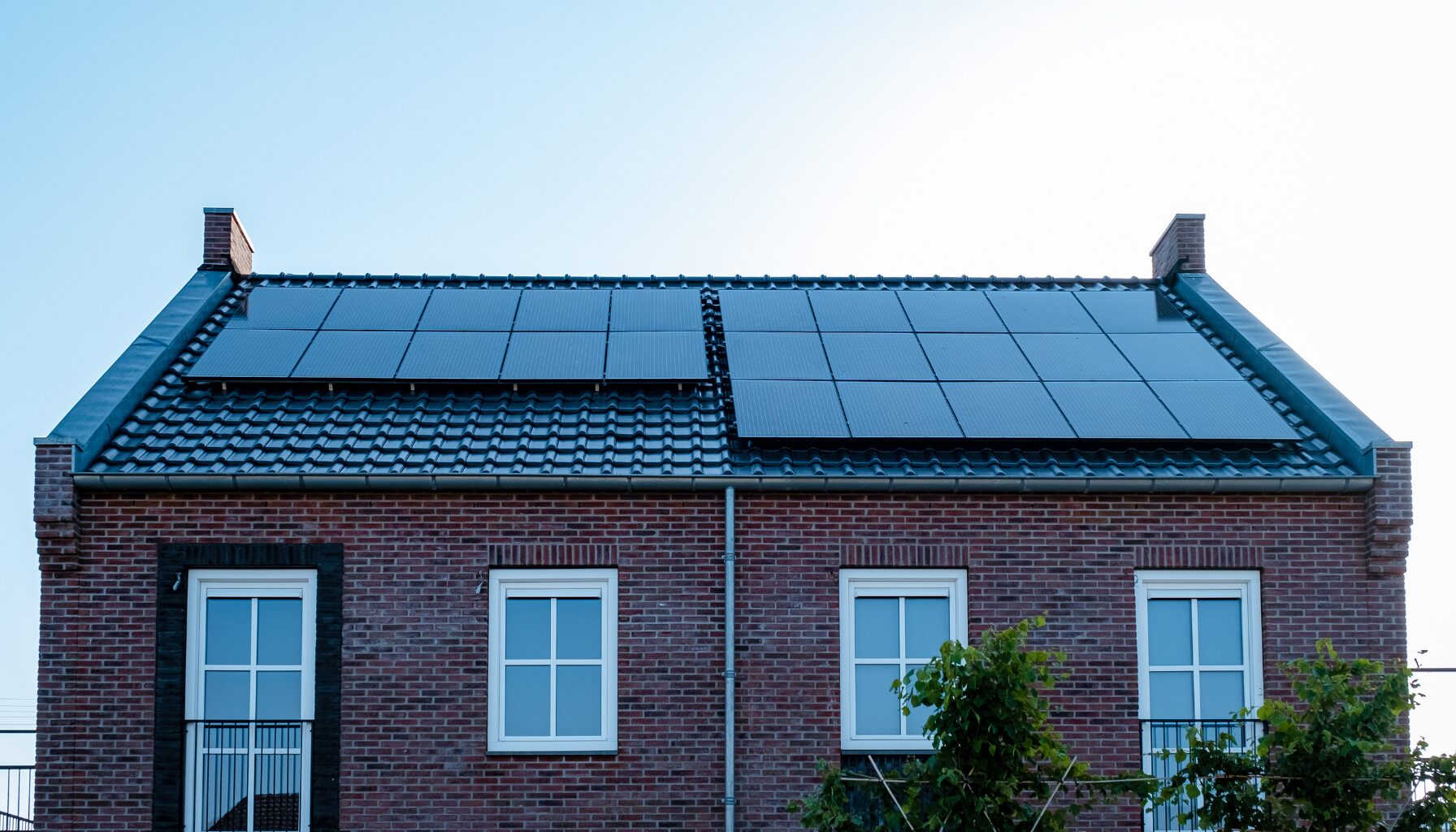
As homeowners increasingly adopt solar photovoltaic (PV) systems and air source heat pumps (ASHPs) in their pursuit of greener, more cost-efficient energy solutions, the integration and optimisation of these technologies come under scrutiny. One component at the heart of this discussion is the solar diverter.
In households that utilise both solar PV systems and ASHPs, the necessity of adding a solar diverter becomes a point of debate. Could homeowners achieve greater efficiency and cost savings by simply relying on their ASHP for their hot water production?
This question becomes particularly pressing when existing solar diverters start to malfunction or fail. For instance, our Solar iBoost malfunctioned after a few years, and our Immersun device has ceased working twice in its first year. Given the substantial cost of solar diverters, it's worth reevaluating their value in homes that use heat pumps.
The Components at Play
Solar PV System: Converts sunlight into electricity, providing a renewable source of energy to power home appliances, including heat pumps.
Solar Diverter (Immersun, Solar iBoost, eddi, etc.): Redirects surplus solar electricity not used by the household to an immersion heater in the hot water cylinder, thus utilising excess solar energy for water heating.
Air Source Heat Pump: Transfers heat from the air outside to heat water. Its efficiency is quantified by the Coefficient of Performance (COP), which in our case is 2.7. This means for every unit of electricity, our heat pump produces 2.7 units of heat.
The Efficiency Comparison
To understand the efficiency and potential savings, let's perform a calculation comparing the electrical requirements for heating our 300-litre hot water cylinder to 45°C using both the heat pump (with its COP of 2.7) and a similar scenario using a solar diverter with an immersion heater.
Heating Water with a Heat Pump
The efficiency of a heat pump is gauged by its COP, which in our case is 2.7. Full disclosure, maths isn't my strong point, but I think that this makes sense: to figure out the energy needed to heat water, we used the following equation:
Q=m x c x ΔT
- Q stands for the heat energy needed, measured in joules.
- m represents the mass of the water, in kilograms (for 300 litres of water, this is 300kg).
- c is the specific heat capacity of water, valued at 4.186 Joules per gram per degree Celsius.
- ΔT is the change in temperature, in degrees Celsius (in this case, the increase to 45°C).
From this, to calculate the electricity that the heat pump requires, taking its COP into account, we used:
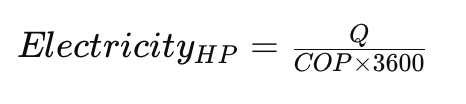
This formula helps us determine the amount of electricity in kilowatt-hours (kWh) that the heat pump would use to achieve the desired water temperature, allowing for a straightforward comparison with the solar diverter scenario. This approach aims to provide a clear understanding of the energy requirements and efficiency of heating water using these methods, helping homeowners make informed decisions.
Heating Water with a Solar Diverter
In this scenario, the electricity generated by the solar PV system is diverted to an immersion heater inside the hot water cylinder. The energy efficiency directly relates to the amount of surplus solar electricity available and the immersion heater's ability to convert this electricity into heat.
The Calculation
Let's crunch the numbers for both scenarios to determine the most efficient method for heating the water to 45°C.
Through this comparative analysis, we aim to see which system — solar diverter vs. heat pump — is more electricity-efficient for heating a 300-litre hot water cylinder to 45°C. The conclusion will help determine whether replacing the solar diverter is worth the investment or if relying solely on the heat pump, powered by the solar PV system, is the more prudent choice.
Results
Upon conducting the calculations, the results are quite revealing. To heat a 300-litre hot water cylinder to 45°C:
- Using the Heat Pump: It requires approximately 5.81 kWh of electricity. This calculation considers our heat pump's COP of 2.7, highlighting its ability to efficiently convert electrical energy into heat.
- Using the Solar Diverter: Assuming the immersion heater is nearly 100% efficient at converting electricity to heat, it requires about 15.70 kWh of electricity. This scenario does not benefit from the efficiency multiplier provided by the heat pump's COP.
Weighing Efficiency Against Sustainability
The comparative analysis demonstrates a notable difference in electrical consumption between using a heat pump and a solar diverter. The heat pump stands out for its substantial energy efficiency, necessitating less than half the electricity to reach the same heating level as the solar diverter method. The higher the COP, the higher the difference.
It's crucial, however, to contextualise this efficiency within the operational dynamics of both systems. Unlike heat pumps, which can heat water as needed, solar diverters operate exclusively with the availability of excess solar energy. This means that the diverter's capacity to heat water is directly tied to solar production, limiting its heating capability to periods of sufficient sunlight. In opting for a solar diverter, homeowners essentially choose to sacrifice some level of efficiency to utilise what is effectively free electricity generated by their solar panels.
But, this raises an important question: Is this sustainable use of electricity? Leveraging free, renewable energy directly from solar panels represents a pinnacle of sustainable living by reducing reliance on grid electricity and maximising the personal use of generated solar power. However, it's worth considering whether it might be more beneficial overall to use the heat pump for water heating and then export any surplus electricity to the grid, as it is a far more efficient use of energy. This way, the unused electricity can support the broader community, potentially offering a balanced approach to personal efficiency and collective energy sustainability.
🔥 Britain’s Heat Pump Shitshow
How Installing a Heating System Became a National Nervous Breakdown
Free UK shipping.
📗 Heat Pumps Explained
A Jargon-Free Guide for Homeowners
Rewritten and updated for 2027
📘 From Zero to Heat Pump Hero
🛠️ Bodge Buster
New to heat pumps?
Take the Heat Pump Fundamentals course and use INTRO50 at checkout for 50% off.

18/04/2024 3:37 pm
I think solar diverters are obsolete for new installations with ASHP and solar PV from both a financial and environmental perspective.
As you have summarised well, an ASHP is more efficient than an immersion regardless of when you run it.
An ASHP can be run at cheap rates overnight to help soak up that excess renewable electricity that currently has to be turned off and you can export the PV during the day meaning less fossil fuel electricity production during the day.
Financially, assuming export is paid for at least the rate you import at overnight there is cost parity with no capital financial outlay for the solar diverter and less equipment to go wrong. This is the case with Octopus Flux tariff currently and if you have an EV, intelligent octopus and outgoing octopus pays export at twice the rate of overnight import.
There is an environmental case for a solar diverter with a gas/oil boiler but the financial one is thin as payback may be beyond the serviceable life of the diverter.
There are corner cases for people on old FIT with deemed export but its marginal and payback on the diverter again may be outside of its lifespan
1
Topic starter
18/04/2024 4:34 pm
To simplify the process, we've made a calculator that allows you to put in your hot water cylinder size, desired temperature and your heat pump's COP to compare electricity usage for the heat pump versus the immersion.
🔥 Britain’s Heat Pump Shitshow
How Installing a Heating System Became a National Nervous Breakdown
Free UK shipping.
📗 Heat Pumps Explained
A Jargon-Free Guide for Homeowners
Rewritten and updated for 2027
📘 From Zero to Heat Pump Hero
🛠️ Bodge Buster
New to heat pumps?
Take the Heat Pump Fundamentals course and use INTRO50 at checkout for 50% off.

18/04/2024 4:52 pm
@gary With battery storage enabling the charging at Agile’s cheapest (and cleanest) times, I reckon that switching my Eddi to work during those cheapest hours of grid-power, the Sunamp is topped up to full charge for far less than we are paid for exporting our daytime ‘excess’ solar whilst the battery is also topped up to full by the time the 30 minute Agile slots start to rise in cost again. The ASHP is not used to heat any DHW (as the choice of Sunamp was due to lack of space for a 200 litre or greater tank that could be heated by an ASHP).
In many ways, the Eddi is only decorative but… I can programme which hours (the cheapest of course) are used for the purpose. There is a bonus though; my Octopus Energy API informs Eddi when the tariff has dropped to the price I am willing to pay and charges the Sunamp up for me very cheaply - sometimes plunge pricing makes this a very useful tool! Who knows what will happen to energy prices and what tariffs might apply in the future - the Eddi may well be called upon to assist more than at present. Regards, Toodles.
Toodles, heats his home with cold draughts and cooks food with magnets.


18/04/2024 4:55 pm
Yeah, my diverter is off almost all the time since we have the cheap rates available.
I only use my immersion for legionel and when price go negative. So that I can make money by using the less efficient method for hot water heating.
16kw Samsung TDM ASHP. 8.4kw PV, power optimizers 20×420watt panels 6kw SolarEdge inverter.
1
21/04/2024 10:34 am
@editor Question. I have been wondering about something. Is the 2.7 cop an average seasonal cop or has anyone measured specifically what is the cop when you are heating only hor water with a machine that was cold and off completelyand only come on to heat up that 5 degree difference? When u heat you hot water we all know that the ASHP reaches not to best cop. Unfortunately I can't mesure my cop. Can anyone maybe run a wee test if they are able, to reset the cop to 0. Have the tank drop only 5 celsius let the heatpump heat it back up and measure only the cop for this one heating cycle. The reson I have been wondering becuse we also know that Heatpumps reach better cop if they are on for a long time. In this test make sure the heatpump is completely off not running the central heating as it would be "chating". I really want to know a true cop from a completely off ASHP only turning on to make that 5 c temperature difference in the DHW tank.
Does that make sense?
16kw Samsung TDM ASHP. 8.4kw PV, power optimizers 20×420watt panels 6kw SolarEdge inverter.
Topic starter
21/04/2024 10:50 am
@andris that's our SCOP. Sure, I'll do that test today. We're about to have our showers, so the tank temperature should drop down below 20C. Then I'll reheat to 45C and tell you what the COP on that activity is. Our HW cylinder is 300 litres, so should take a while to heat up.
🔥 Britain’s Heat Pump Shitshow
How Installing a Heating System Became a National Nervous Breakdown
Free UK shipping.
📗 Heat Pumps Explained
A Jargon-Free Guide for Homeowners
Rewritten and updated for 2027
📘 From Zero to Heat Pump Hero
🛠️ Bodge Buster
New to heat pumps?
Take the Heat Pump Fundamentals course and use INTRO50 at checkout for 50% off.
1
21/04/2024 11:05 am
@editor that's is great. But could u also do a second test when it only re heat the 5c mayne later during the day when it dropps, as that would a very short cycle. Thanks so much! Or just use these two results together for a more realistic cop where there is a short cycle and a long together?
16kw Samsung TDM ASHP. 8.4kw PV, power optimizers 20×420watt panels 6kw SolarEdge inverter.

Topic starter
21/04/2024 3:50 pm
@andris, no worries. I'll do one later this week when the tank empties completely.
Today, the tank dropped to 23C. Heat and energy used to get it back to 45C:
Heat generated: 8kWh
Electricity used: 2.75kWh
COP = 2.90
Ambient outdoor temperature today has been between 8-11C.
🔥 Britain’s Heat Pump Shitshow
How Installing a Heating System Became a National Nervous Breakdown
Free UK shipping.
📗 Heat Pumps Explained
A Jargon-Free Guide for Homeowners
Rewritten and updated for 2027
📘 From Zero to Heat Pump Hero
🛠️ Bodge Buster
New to heat pumps?
Take the Heat Pump Fundamentals course and use INTRO50 at checkout for 50% off.
1
21/04/2024 5:06 pm
@editor Thanks for doing that! That is great result.
16kw Samsung TDM ASHP. 8.4kw PV, power optimizers 20×420watt panels 6kw SolarEdge inverter.
1
Topic starter
22/04/2024 8:44 pm
@andris you're welcome. Your initial request and my mini experiment actually made me think of something to help improve the efficiency of heating DHW. I'm hoping to run another experiment tomorrow, and will share my thoughts when it's done.
🔥 Britain’s Heat Pump Shitshow
How Installing a Heating System Became a National Nervous Breakdown
Free UK shipping.
📗 Heat Pumps Explained
A Jargon-Free Guide for Homeowners
Rewritten and updated for 2027
📘 From Zero to Heat Pump Hero
🛠️ Bodge Buster
New to heat pumps?
Take the Heat Pump Fundamentals course and use INTRO50 at checkout for 50% off.
1
22/04/2024 10:05 pm
@editor You made me curious 🤔.
I did two things to make mine a bit more efficient. One of them will sound a little crazy I know.
Here is the crazy one. I didn't like how much the heat loss my tank. To boost it a little, I wrapped it around with some loft insulation and put a nice old heavy curtain as an outer layer. It cut my heatloss to half.
The other one is that after my children have their showers, I don't let the hetpump rehat the water. I set it to come on during cheaper rates and closer to the morning when I need it. The pump will run a lot longer more efficiently as it is reheating the tank from roughly 25c-44c.
16kw Samsung TDM ASHP. 8.4kw PV, power optimizers 20×420watt panels 6kw SolarEdge inverter.

Page 1 / 2
Next
SPONSORS

Degrees of Separation

Latest Posts
-

RE: How quickly would you want/expect heat recovery to take from setback?
I have no idea how the control loop works with the Cosy...
By AndrewJ , 1 hour ago
-
RE: How should the Boiler Upgrade Scheme be reformed?
Not quite, regular A2W heat-pumps need a load of extra ...
By Temperature_Gradient , 16 hours ago
-
RE: Heat Geek installations: share your experiences
one thing i learnt from reading people’s comments and e...
By Batpred , 18 hours ago
-
RE: Cooling/heating with one unit
"The way we use A2A on a cheap overnight EV tariff is t...
By mrkfm , 20 hours ago
-
RE: Do I add Air Con or MVHR to existing A2W ASHP?
We have ‘signed on the dotted line’ today for a Panason...
By Toodles , 21 hours ago
-
RE: Heat pump branding. Clever, contemporary… or a bit too much?
...or it was there and was lost thanks to laziness and ...
By Majordennisbloodnok , 21 hours ago
-
@bobflux Thank you for your response. I am trying to ...
By RonV. , 21 hours ago
-
This post is about how I successfully configured a buff...
By Tony.Stolz , 1 day ago
-
The installer visited yesterday and suggested the noise...
By JamesChatz , 1 day ago
-
RE: HeatGeek vs Octopus surveys: puzzling disparity - any ideas why?
Your house sounds a lot like mine. 2 surveyors each sp...
By JamesPa , 1 day ago
-
RE: Heat Geek Zero Disrupt: Are We Sleepwalking Into Another Race to the Bottom?
Thats true only if you do the wrong experiment. Done c...
By JamesPa , 1 day ago
-
RE: battery storage without solar
As of October 1st they need specific qualifications to ...
By EtchedPixels , 2 days ago
-
RE: Renewables & Heat Pumps in the News
With regards to the BUS grant raid, I gave it more thou...
By ASHP-BOBBA , 2 days ago
-
RE: Why are ASHP installs so expensive?
The whole system seems to work on the basis of...
By ian33a , 2 days ago





SPONSORS

