Our forums are full of brilliant technical discussions, design breakdowns, troubleshooting threads and plenty of stories from homeowners… both good and bad. We’ve got loads of words, plenty of anecdotes, and the occasional photo… but I think it’s time we went a step further.
I’m starting this thread so we can visually document what a bad heat pump installation actually looks like.
Not to shame anyone, not to point fingers, but to help homeowners see (clearly and unambiguously) what should set alarm bells ringing. We’ll also start a companion thread showing good installs, so people can compare the difference.
To get the ball rolling, here’s one from @aventus (Sean).
He was called out to a local hospice in Falkirk. The offices had no heating and no hot water, despite the building being only a year old. Roughly 200 square metres, all underfloor heating. On paper, a dream scenario: low heat loss, consistent emitters, should’ve been a really straightforward system.
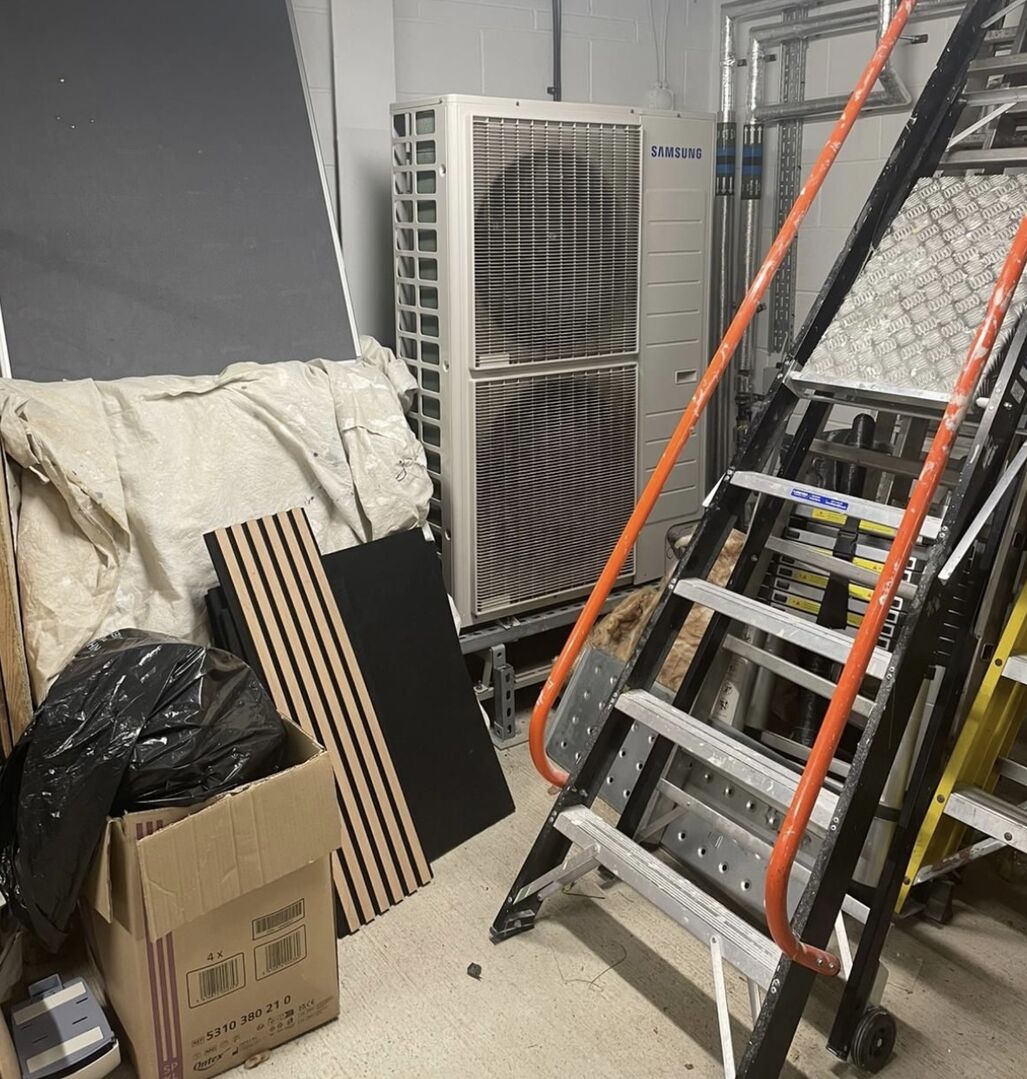
Then the electrician visited and sent Sean this photo.
The heat pump wasn’t outside. It was in the plant room.
They’d installed a 14 kW unit indoors.
And the system had apparently been running off the emergency immersion for a full year.
In our development, we were given an 'energy efficient' heating and hot water system that was the following:
A heat pump hot water tank which draws warm (21C) air from kitchen/bathrooms, then exhausts the cold (5C) air to the outside.
An electric boiler for 'backup'.
Underfloor heating throughout. Every circuit on the manifold has its own thermostat (to the point of having three thermostats in a single room).
The heating loop runs from the manifold, through the hot water tank's solar thermal exchange coil, to the boiler, and then back to the manifold hot side.
This means the boiler can only boost hot water by overheating the floors (and can only do so when the heating is on, as it doesn't turn on for just hot water demand), and the heat pump water heater is only capable of actual heating at temperatures above 5C, once OAT falls below that temperature, all heating must be done by the electric boiler.
I have visited a number of our neighbours to see if I can help them with their systems, and I've seen pretty much everything wrong:
All settings defaulted on many systems.
No flow rates set on the manifold (sometimes random, sometimes max flow, sometimes no flow at all to some zones).
No temperature limits on the underfloor manifold (mixing valves on all manifolds, but set to 70C in most cases).
Pumps set to maximum power (another default) and random modes.
No flushing performed during initial commissioning.
Airlocks galore.
Boilers set to a power far beyond the capacity of the RCD.
Thermostats connected to the wrong zone valves.
Some zone valves not working at all.
Some thermostats not working at all.
Completely missing floor temperature sensors in some flats.
Floor temperature sensors placed incorrectly such that they are not reading a temperature from the circuit they are meant to be protecting.
Leaks, of course.
To top it all off, a brief conversation with the plumbers responsible for the installation (though, in fairness, not the design) makes it clear they have no understanding of any of it. That doesn't stop them from spouting a line of absolute rubbish to the less informed residents, however.
I was sent this by an installer and honestly, it’s peak “average install, average thinking”.
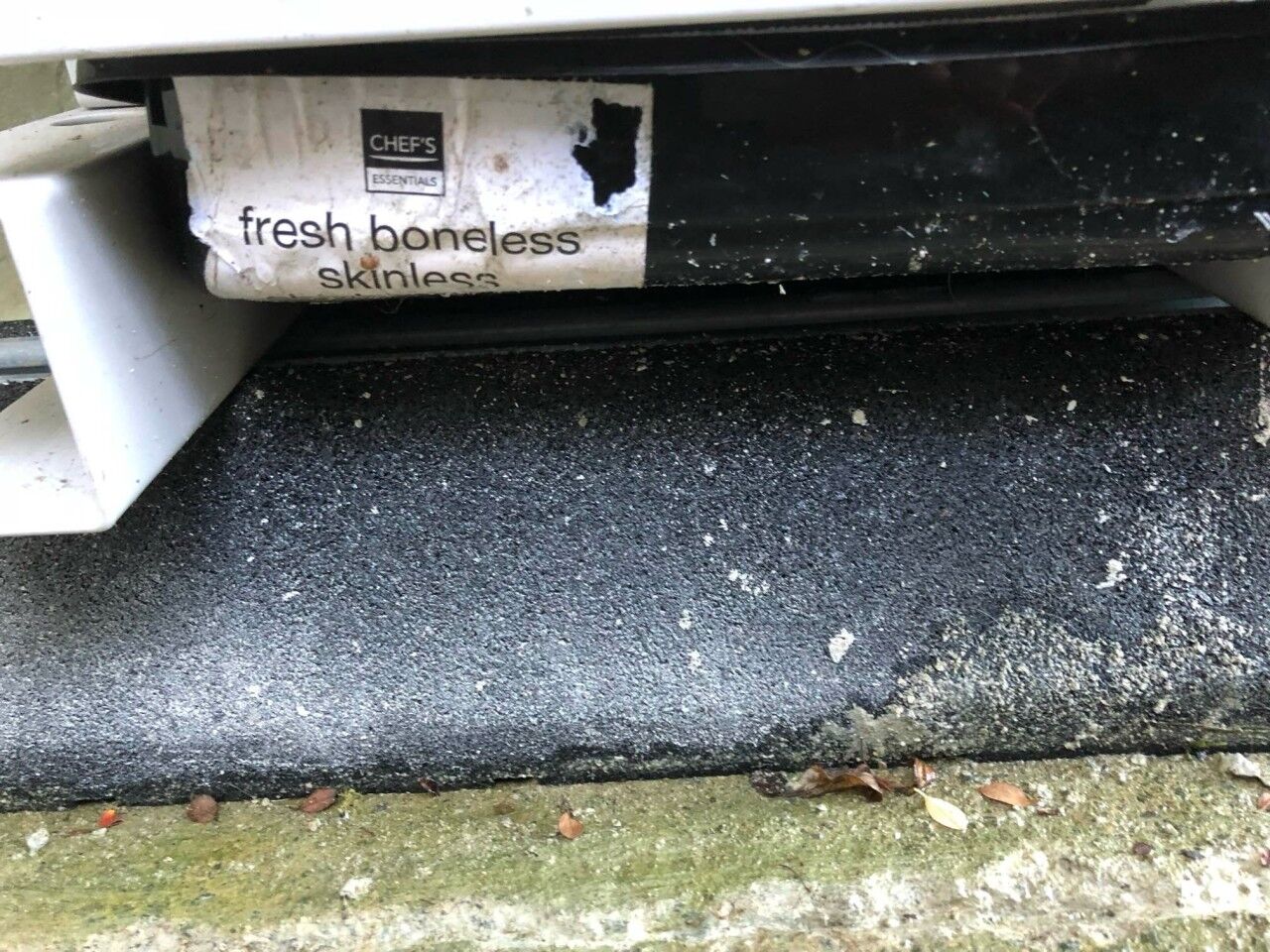
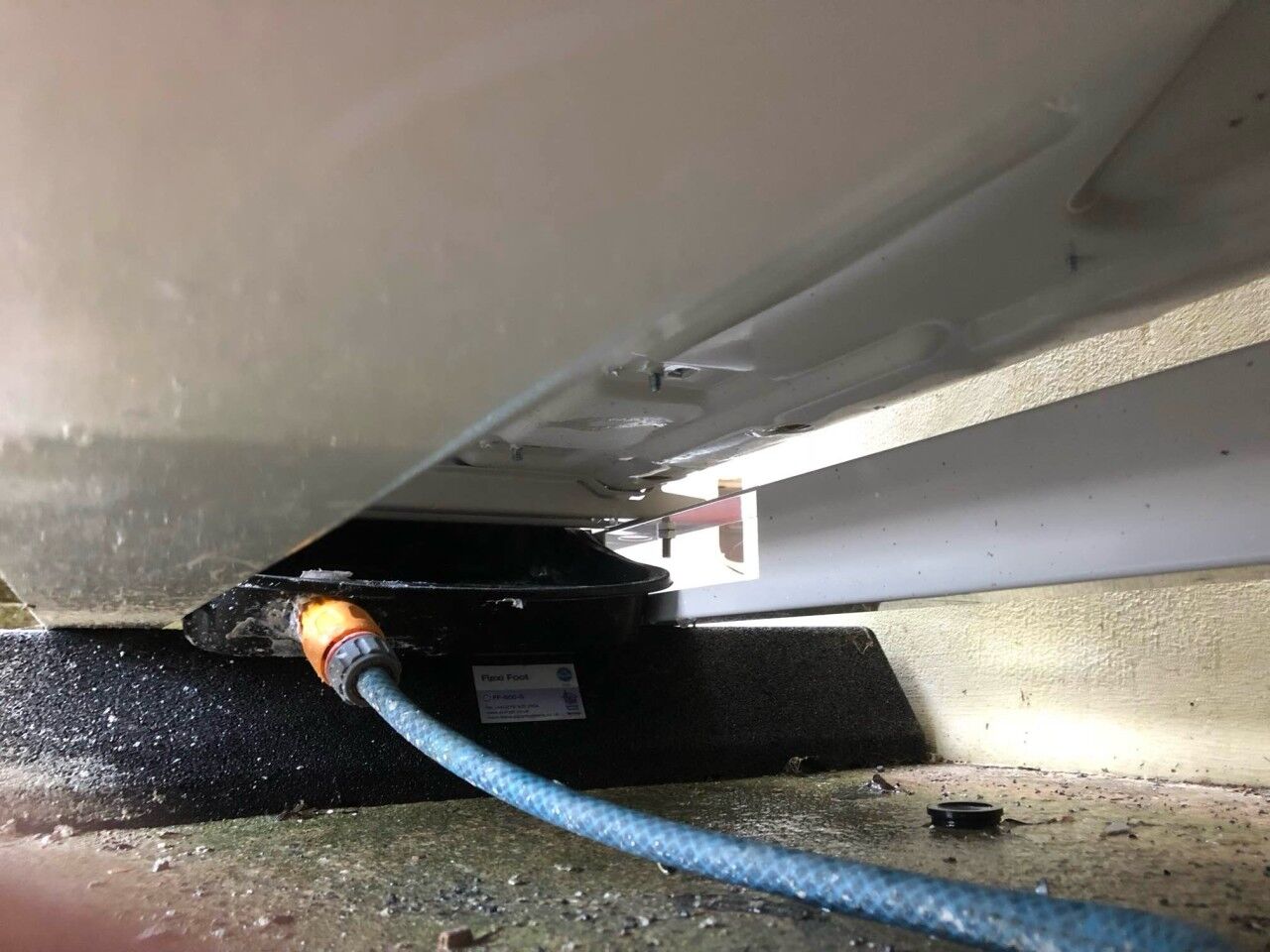
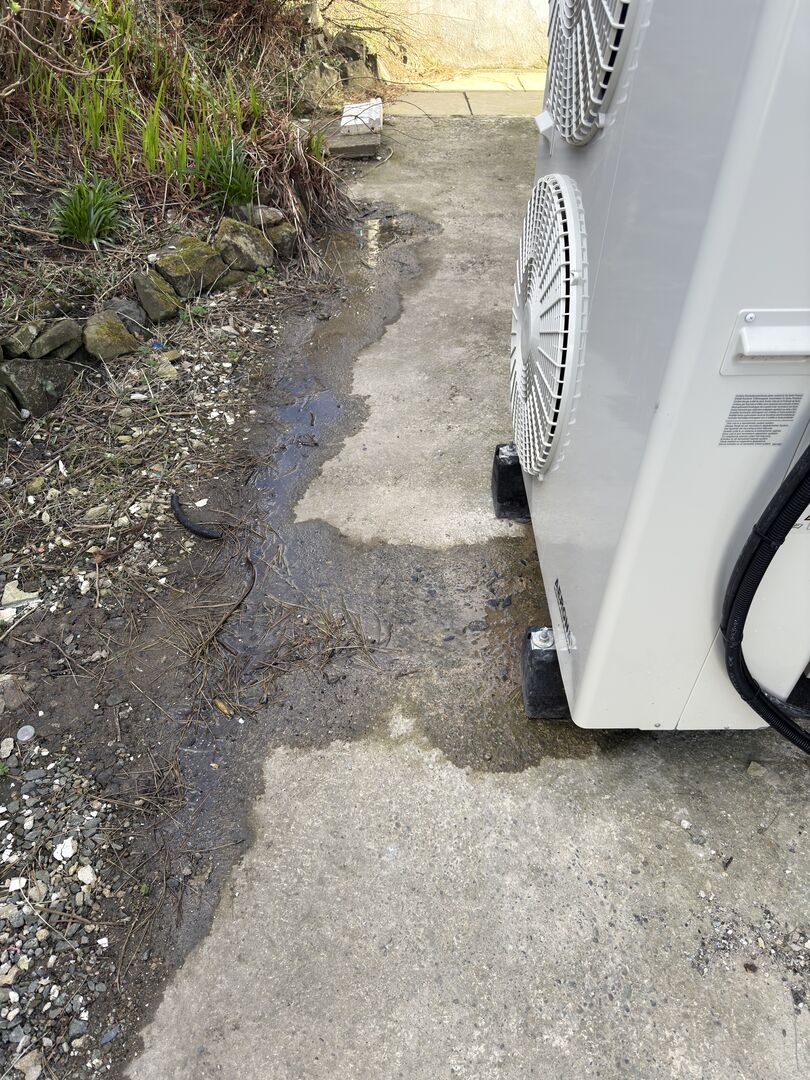
The homeowner complained that water from the outdoor unit was freezing on the patio and he kept slipping on the ice in winter. So the installer came back to “fix” it, by turning a supermarket fresh boneless chicken box into a DIY condensate tray and siliconing a garden hose to it to carry the water to a drain.
I was sent this by an installer and honestly, it’s peak “average install, average thinking”.
The homeowner complained that water from the outdoor unit was freezing on the patio and he kept slipping on the ice in winter. So the installer came back to “fix” it, by turning a supermarket fresh boneless chicken box into a DIY condensate tray and siliconing a garden hose to it to carry the water to a drain.
The garden hose froze solid.
You couldn’t make it up!
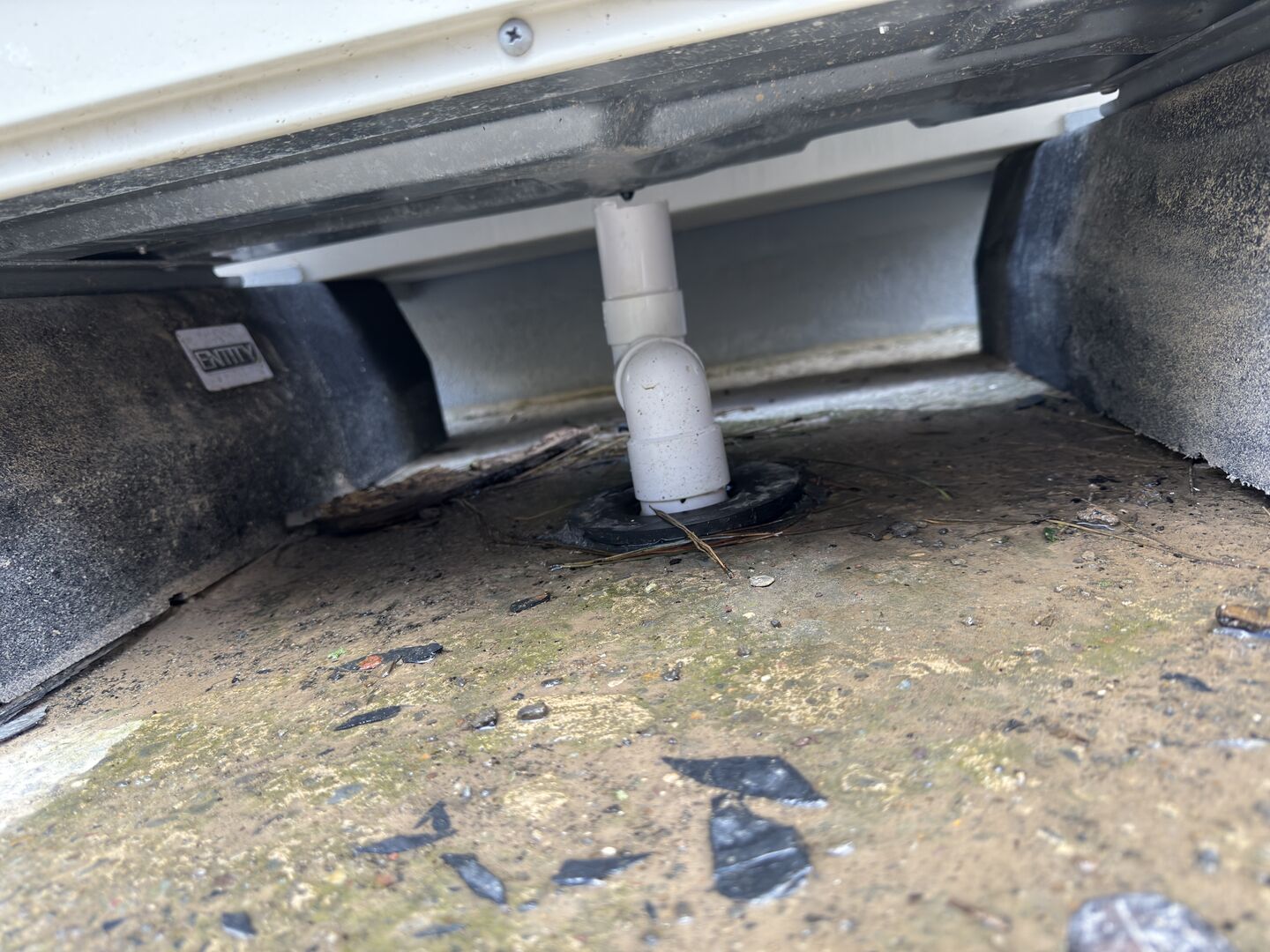
Our installer placed the soak away hole about 5 inches in front of the drain hole of the unit then bodge some plumbing pipe which did nothing he also threw away the the drain adapter that you could easily attach a hose to and feed the condensate into a drain!
Kind Regards
Si
——————————————————————————
Grant Aerona3 13kW
13 x 435w + 13x 480w Solar Panels
Sigenergy 10kW Inverter
16kW Sigenstor battery
I am curious about what was MCS' role in this process?
Quite possible no grant involved so none.
Putting it inside avoids the need for planning consent, its just like a boiler innit?
Makes sense, like with DIY situations, gov is taking a step back and expecting mcs/money to look after regs... A pattern seen elsewhere
Tbh I dont think we want government interfering when there are no grants involved, that's what consumer protection law and the courts are for.
Caveat Emptor applies to hear pumps, any other construction work and indeed anything you buy.
We have strong consumer protection but sadly the human race throws up some scum who will always find a way to exploit.
That's the human condition, best to accept it and be appropriately prepared rather than imagine that it will ever be otherwise. Dodgy builders have existed for centuries, probably millennia!
4kW peak of solar PV since 2011; EV and a 1930s house which has been partially renovated to improve its efficiency. 7kW Vaillant heat pump.
@jamespa BBC Radio Four recently ran a week of programmes on the subject of avoiding being scammed and ‘You & Yours’ (12:00 Mondays to Thursdays, Radio Four) regularly cover the subject too. It is a sad reflection on society that any of this should even be necessary I feel ☹️. Toodles.
Toodles, heats his home with cold draughts and cooks food with magnets.