
If you have solar panels on your roof, there is a reasonable chance you are doing the energy equivalent of filling a bath and leaving the plug out. The panels generate. The house takes what it needs. And everything left over (potentially half of your total daily generation) flows silently back to the grid for somewhere between 3 and 15 pence per kilowatt-hour. You then buy that electricity back at nearly three times the price.
This is not a niche problem. It is the default reality for most solar households in the UK, and it has persisted because the obvious solution (home battery storage) has carried a price tag and an installation process that put it out of reach for most people. That calculation is starting to change.
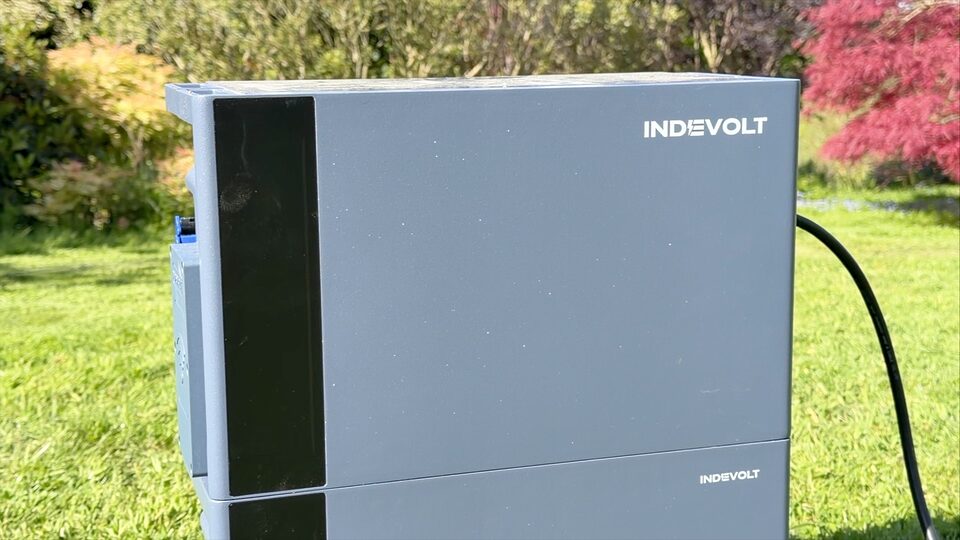
A new category of device is arriving in the UK: the plug-in home battery. No specialist installer, no planning headaches, no five-figure outlay. You plug it into the wall, connect it to your solar monitoring and it starts capturing what would otherwise be exported for next to nothing.
What does it actually do? How does it integrate with an existing solar setup without touching a single wire of your current installation? What happens when the grid goes down and can it keep your home running? How far can you scale it and what does the economics look like once you start stacking battery packs?
Those are the questions the hardware side of the review answers. But this video goes somewhere that most plug-in battery reviews simply do not.
Since July 2024, a change to the UK Wiring Regulations has introduced a requirement that most existing homeowners (including many who had solar installed perfectly legally before that date) may not be aware of. It concerns the type of safety device protecting the circuit your battery connects to. And the consequences of getting it wrong are not a voided warranty or a failed inspection. They are the kind of consequences that involve 230 volts, a compromised safety device and no protection between a fault and a person.
None of this is reason to dismiss plug-in batteries. The technology is genuinely compelling, the Indevolt hardware is well-engineered and the economics at scale are hard to argue with. But these are the questions you need answered before you buy and this video answers them.
Watch it. Share it with anyone you know who has solar panels or is considering home battery storage. And if you want to go deeper, the Renewable Heating Hub forums have a live thread with real owners, real questions and the most technically detailed discussion anywhere in the UK on this product and this category.
