
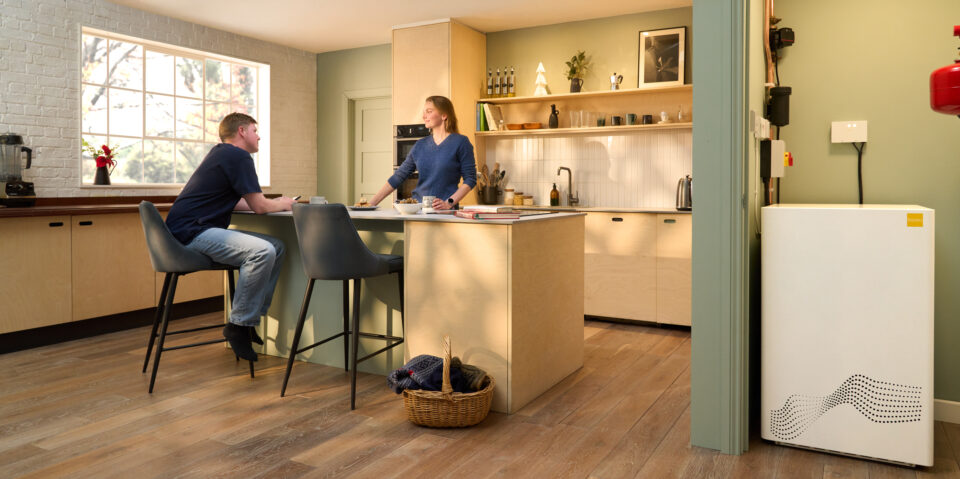
Moving away from a fossil fuel boiler to electric heating becomes a much more appealing prospect when the replacement fits comfortably into the home you already have, preserves the heating arrangements you understand and offers a practical installation without extensive disruption.
For homeowners with limited outdoor space, concerns about where an external unit could go or a preference for retaining their existing radiators, heat battery boilers offer an increasingly interesting route to electric heating, bringing energy storage into the central heating system itself.
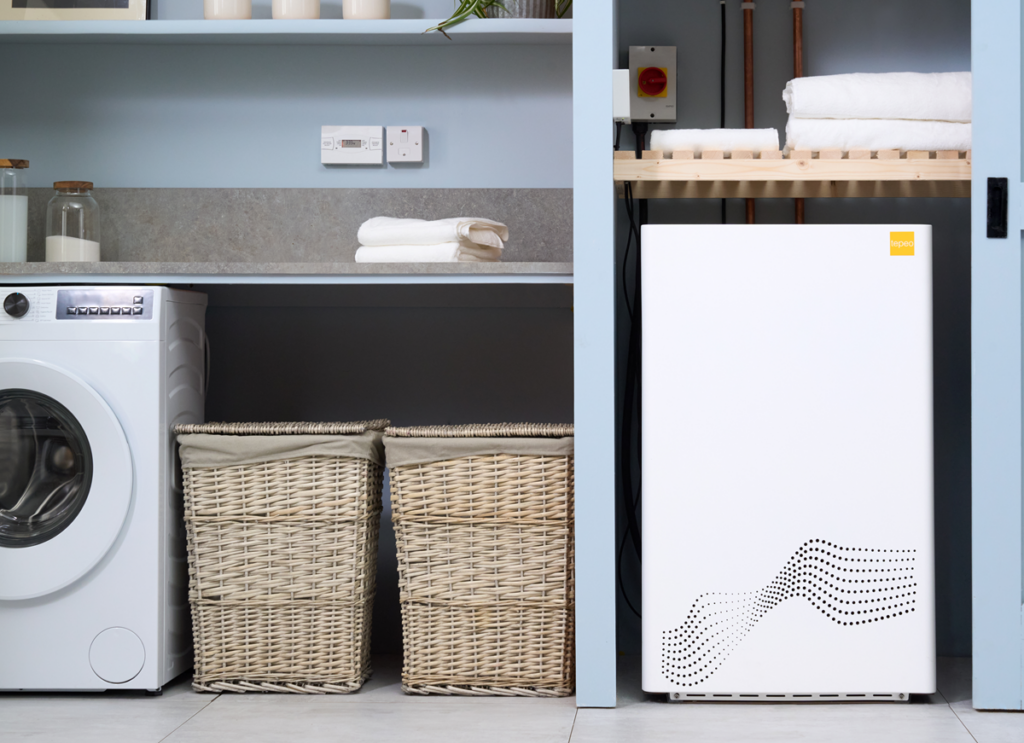
The appeal is straightforward. Electricity can be bought during cheaper periods, stored as heat and used later to warm the home, allowing the household to benefit from a different electricity price from the one available when everyone arrives home and turns up the thermostat. The ZEB heat battery boiler, developed by the UK company tepeo, puts that principle into an appliance: it’s designed to replace a conventional boiler in suitable properties, with no outdoor unit and a connection to familiar water-based central heating.
How does a heat battery boiler work?
Inside the ZEB, electricity heats a dense ceramic core that holds thermal energy until the home needs it. When the heating calls for warmth, an internal heat exchange system transfers energy from the store into the water circulating through the radiators or underfloor heating. As tepeo’s engineering director explains in his account of the technology for New Energy World, the engineering challenge involves both retaining that heat and delivering it at the temperature the heating system requires, using controlled airflow and a heat exchanger to connect the hot core to the household’s heating circuit.
Can a heat battery boiler work with existing radiators?
For the homeowner, this means a substantial change in the source of the heat can sit behind a reassuringly familiar experience; radiators warm the rooms, the household chooses its heating settings and the appliance supplies warmth when required. In suitable homes, existing radiators and pipework can remain, reducing the work involved in changing the heat source. According to tepeo’s installation guidance, most installations take around one to two days, depending on the property and the work identified during the survey.
For homeowners considering alternatives to heat pumps, that combination deserves attention because the decision to replace a boiler involves far more than the appliance itself. Homeowners are also weighing up disruption, available space, the condition of their existing heating system and how quickly they can make the change. A heat battery offers a way to electrify suitable central heating systems while retaining much of what is already there, which can make the move feel considerably more achievable.
How can a heat battery boiler save money?
The storage element becomes particularly useful when paired with a suitable time-of-use tariff, where electricity costs different amounts at different times of day. A household may want warm bedrooms in the morning and a comfortable living room in the evening, while its cheapest electricity is available several hours earlier. By holding energy as heat, the ZEB can bridge that gap, giving the appliance some freedom over when it draws electricity while allowing the occupants to use their heating when they need it.
There are several ways those tariffs can work. Some provide predictable cheaper periods each day, while dynamic tariffs change their prices more frequently, often every half hour. The practical calculation involves the price of electricity, the length of the charging window and the amount of heat the property needs, alongside the electricity used elsewhere in the home. As tepeo’s tariff guide explains, a useful period of cheaper electricity is central to making the most of the system, and running costs should be estimated using the household’s actual demand and proposed tariff.
Managing that process manually would quickly become tiresome, so the ZEB uses predictive machine learning to plan its charging. Its software considers previous heating use, weather forecasts, tariff information and electricity carbon intensity to estimate how much energy to store and when to charge. The intention is to make use of cheaper or lower-carbon periods, while ensuring the ZEB only stores as much heat as the home is expected to need. This helps homeowners save money by avoiding unnecessary charging, rather than automatically charging to full capacity every day.
What are the benefits of flexible electric heating?
There is also already evidence of this flexibility working in homes. The Neat Heat trial, led by UK Power Networks with OVO and tepeo, installed ZEBs in 30 homes across the South East and East of England during an 18-month project. UK Power Networks reported that heating demand could be shifted outside peak hours by up to 95%, with more than 90% moved outside those periods even during the coldest winter weeks. Participants experienced heating similar to their previous boilers, illustrating how a change in electricity consumption can happen behind the scenes while comfort remains familiar.
For the electricity network, that ability has value beyond an individual bill. Moving heating demand away from busy periods can ease pressure on local infrastructure, while flexible charging creates opportunities to use electricity when renewable generation is plentiful. A home still receives warmth when its occupants want it, while its heating system has greater freedom to draw energy at times that work better for the wider network.
Are heat batteries eligible for the Boiler Upgrade Scheme?
Government policy is also progressing. Following Commons committee consideration of enabling regulations on 14 October 2026, heat batteries have moved a step closer to support through the Boiler Upgrade Scheme in England and Wales. During the debate, the minister reaffirmed the planned £2,500 grant and recognised the technology’s potential to widen household choice.
Is a heat battery suitable for your home?
A home assessment establishes how the technology would fit in practice, including heat demand, electrical supply and an appropriate indoor position with suitable floor support. Hot water arrangements also form part of that discussion. Much like a heat pump, the ZEB is a heat-only appliance, so replacing a combi boiler requires a separate hot water solution. These details allow the installer to design the change around the property and give the homeowner a clear picture of the installation and expected costs.
For households considering their next heating system, heat batteries make the range of choices more interesting. Their combination of stored energy, automatic charging and familiar central heating offers a practical proposition, particularly where an indoor appliance and retention of the existing wet heating system make electrification easier to accommodate.
To explore whether the technology could suit your property, learn more about the tepeo ZEB and complete its home suitability check.
If you have questions, contact tepeo directly or pop onto our tepeo ZEB UK Support & Info Thread, where homeowners can discuss suitability, installation, tariffs and day-to-day ownership.
Written by Renewable Heating Hub as sponsored content in partnership with tepeo. Renewable Heating Hub retains editorial control.
