
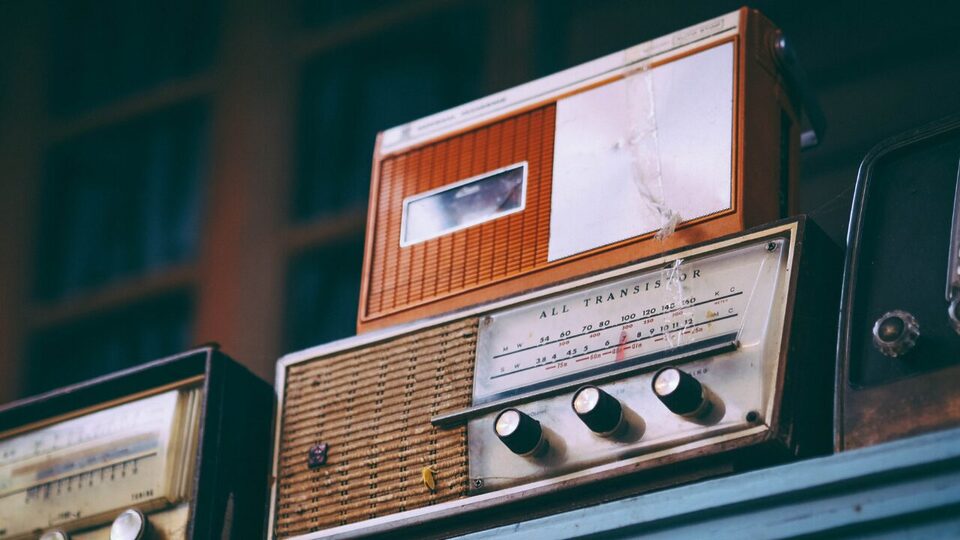
An outdated radio-based system that has controlled electricity meters for decades is now in the process of being switched off across the UK. The Radio Teleswitch Service (RTS) uses a national radio signal to automatically switch certain older electricity meters between peak and off-peak rates.
This technology, introduced back in the 1980s, was designed to support time-of-use tariffs like Economy 7, Economy 10 or similar plans that offer cheaper electricity during specific hours, often to manage electric storage heaters, underfloor heating or hot water systems.
The RTS signal is reaching the end of its operational life. The equipment that broadcasts it can no longer be reliably maintained, prompting a carefully managed, phased shutdown that began on 30 June 2025.
Rather than a sudden nationwide cut-off, the phase-out is happening gradually: meters are grouped by area or type, with the signal turned off for small batches at different times over months. This approach helps minimise widespread disruption, and the process was paused over the winter months before resuming in early 2026 (with England and Wales restarting in March, followed by Scotland in April).
As of recent updates in early 2026, around 146,000-154,000 RTS meters remain to be replaced, with suppliers urging affected households to act quickly before the final stages this summer.
If your property relies on an RTS meter, the loss of the radio signal means the meter may no longer switch correctly between rates. This could disrupt essential functions, such as when your electric heating or hot water turns on and off, potentially leading to higher bills, inefficient heating or systems not operating as intended. Homes most likely to have RTS meters include those with:
- Electric heating systems (like storage heaters)
- No gas supply (common in rural areas, high-rise flats, or all-electric properties)
- A time-of-use tariff offering cheaper off-peak rates
- A separate switch box near the meter labeled something like “radio teleswitch” or similar
Energy suppliers are actively contacting customers believed to have these meters, offering a free upgrade (typically to a modern smart meter) to ensure continued proper operation. The upgrade replaces the old meter so heating, hot water and tariff timing function reliably without the RTS signal.
In most cases, you’ll stay on the same tariff, though some customers might see minor adjustments to peak/off-peak timings. The change is designed to be seamless, with no major difference in how your energy is charged or used.
You can check if your meter is affected by looking for the signs above or by contacting your energy supplier directly if you’ve received any communication about it. The industry, supported by Ofgem and Energy UK, emphasises that arranging the replacement promptly avoids any risk of disruption as the phase-out continues toward completion.
This transition marks the end of an era for one of the UK’s older energy management technologies, paving the way for modern metering solutions.
