
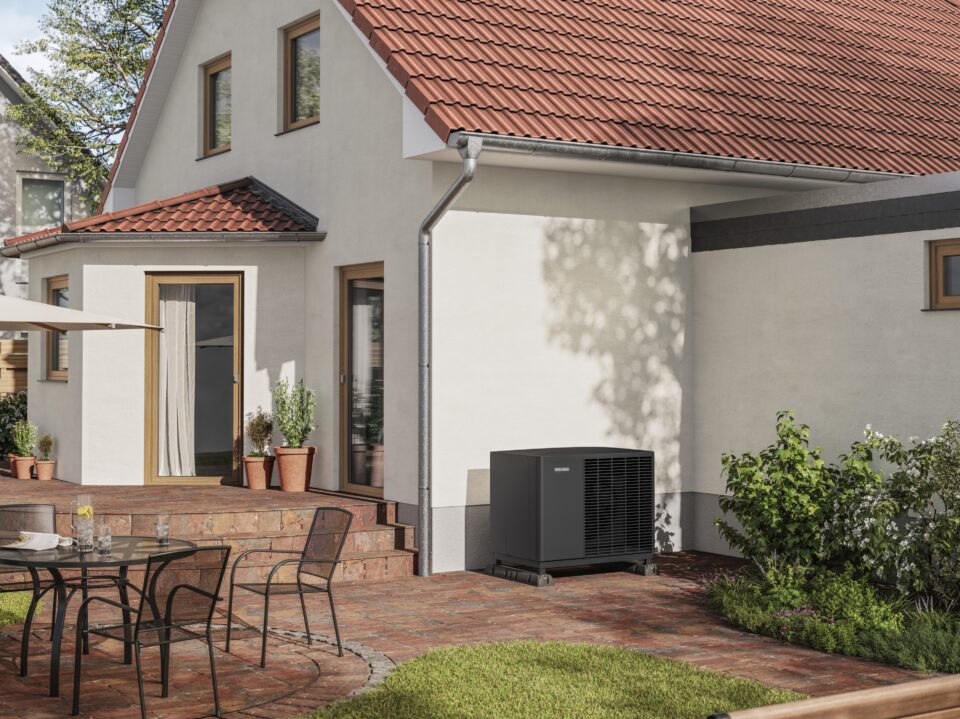
Heat pumps inevitably attract comparisons based on headline numbers. One model has a higher COP than another. Another can produce 70C water. One has a particularly high efficiency label while another promises exceptionally quiet operation.
These figures are important, but they can distract from a more important truth: the performance experienced by a homeowner is determined by the complete heating system, not the specification of the outdoor unit in isolation.
A technically excellent heat pump connected to a badly designed heating system can produce disappointing results. Conversely, careful design can allow a heat pump to operate for much of the heating season under favourable conditions, producing comfortable indoor temperatures without unnecessarily high water temperatures or electrical consumption.
The starting point is always the building.
Every home loses heat. The purpose of a heating system is simply to replace that loss quickly enough to maintain the desired indoor temperature. Establishing the building’s peak heat loss therefore determines the amount of heat the system must be capable of supplying during the coldest design conditions.
That sounds obvious, yet getting this first calculation wrong affects almost everything downstream. Oversizing the heat pump may compromise operation at lower loads, while undersizing can leave insufficient capacity during colder periods. The distribution system must then be capable of transferring that calculated heat into individual rooms.
This is where flow temperature becomes crucial.
A heat pump transfers environmental heat into the home using a refrigeration cycle. The greater the temperature difference it must overcome, the harder the compressor generally has to work. Running the heating system at 40C rather than 50C is therefore not merely a technical preference. Over an entire heating season, reducing unnecessary temperature lift can materially influence electricity consumption.
Radiators and underfloor heating consequently need to be considered as part of the heat pump system rather than as separate plumbing. A radiator capable of delivering ample heat with 70C boiler water may provide significantly less output when supplied at heat pump temperatures. The answer might be a larger radiator, a different emitter or, in some cases, simply recognising that the existing radiator was oversized enough already.
Higher temperature capability remains useful. STIEBEL ELTRON’s current heat pump portfolio includes systems capable of high flow temperatures, while its latest hpnext generation uses R290 refrigerant and includes air source units across a broad range of outputs. But the ability to produce hotter water should not be confused with an instruction to operate at that temperature continuously. The engineering objective remains to meet the building’s requirement at the lowest practical system temperature.
Water flow is equally important and receives considerably less attention from homeowners. Heat is transported around a wet central heating system by moving water. Pipe sizes, fittings, valves, pumps and the layout of the system determine whether sufficient flow can reach the emitters. A system can therefore have a correctly sized heat pump and appropriately sized radiators and still underperform if the hydraulics prevent enough heat from being transported around the house.
Controls then determine how all of this operates from hour to hour.
Modern inverter heat pumps can vary output according to demand and weather compensation can alter the required water temperature according to outdoor conditions. A house requires considerably less heat on a mild November afternoon than during a freezing January night, so continually producing water at the temperature required for the coldest day of the year would make little sense.
This is also why homeowner expectations matter. Efficient heat pump operation may involve relatively long runtimes and radiators that feel warm rather than extremely hot. The objective is not to create the most dramatic radiator temperature but to maintain the desired room temperature efficiently. A good handover should leave the homeowner understanding this distinction and knowing which settings they should adjust and which are best left to the system.
Domestic hot water introduces another performance consideration because heating a cylinder usually requires a higher temperature than space heating. Cylinder sizing, coil design, hot water schedules and household demand can therefore affect overall seasonal performance. A household with several bathrooms and heavy hot water demand may need a different solution from two people occupying an otherwise similar property.
There is also a growing interaction between heat pumps and the wider electrical home. Solar PV, batteries and time-of-use tariffs create opportunities to alter when electricity is consumed, while energy management can increase the use of electricity generated on site. STIEBEL ELTRON, for example, supports integration between heat pumps and photovoltaic generation through its control and energy-management products. But optimisation should come after sound heating design. Cheap electricity cannot compensate indefinitely for an inefficient system.
Ultimately, the strongest heat pump installations tend to share a straightforward characteristic: the important decisions were made deliberately. The heat loss was understood, equipment was selected around it, emitters and hydraulics were considered, controls were configured appropriately and the homeowner knew what outcome the finished system was supposed to deliver.
This is also why creating a written brief before requesting a final system design can be valuable. It forces the homeowner to think beyond the question “Which heat pump should I buy?” and instead define priorities such as comfort, running costs, noise, available space, hot water demand, controls and integration with other technologies.
STIEBEL ELTRON’s free ebook, How to write a brief for a renewable heating system, was produced for precisely that purpose. It is intended to help property owners establish their objectives before the detailed technical specification begins and create a benchmark against which proposals can subsequently be assessed.
This is a guest post produced in partnership with STIEBEL ELTRON. The views and information presented are those of the contributor. Renewable Heating Hub retains editorial oversight and only publishes sponsored content that we believe is relevant and useful to homeowners.
